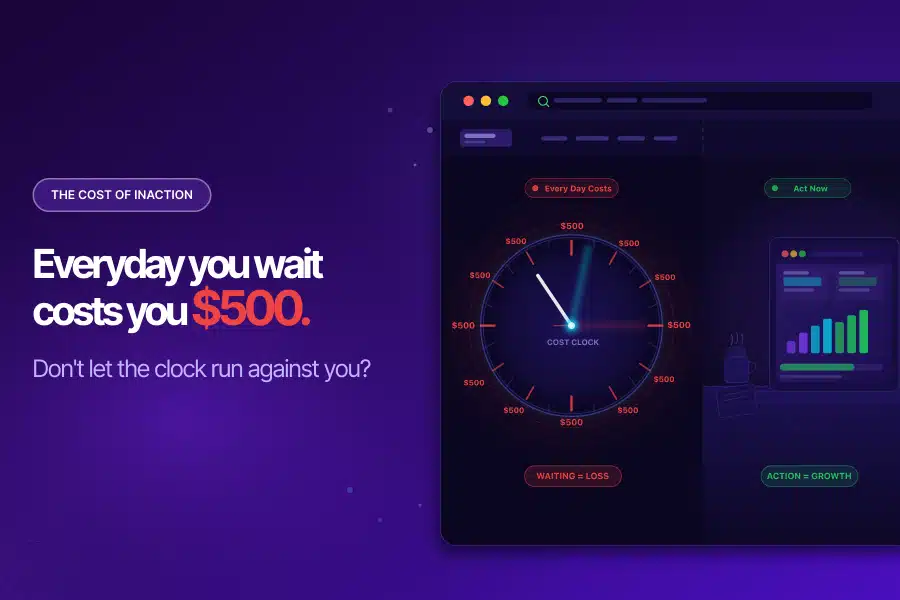
Every open technical role costs you $500 a day. The average hire takes 44 days. That is $22,000 gone before your new hire completes a single task. And in 2026, the talent market is not getting any easier.
The dedicated FTE model is how mid-sized US brands are breaking out of this cycle. Pre-vetted analytics and data talent, fully integrated into your team, at 40 to 70% of US hiring costs.
Here is the full picture, backed by tier-1 data.
The US Tech Talent Market Is at a Crisis Point
The scale of the problem is hard to overstate.
The Bureau of Labor Statistics projects the US developer shortage will exceed 1.2 million unfilled roles by 2026. IDC estimates that the global IT skills gap will result in $5.5 trillion in losses for organizations this year alone.
It is not just about numbers. It is about who is available to hire.
Robert Half’s 2025 Building Future-Forward Tech Teams report found that 87% of US tech leaders currently face challenges finding skilled talent. Another 76% say a tech skills gap is already visible inside their own departments.
- 1.2M Unfilled US developer roles by 2026 -Bureau of Labor Statistics
- $5.5T Projected global losses from the IT skills gap in 2026 -IDC
- 87% US tech leaders are struggling to find skilled talent -Robert Half 2025
Tech unemployment sits at just 2.8%, well below the national average of 4%. In practical terms, you are not hiring from a pool of available candidates. You are competing to pull employed workers away from other companies.
For mid-sized brands without the brand pull of Big Tech, that is a fight that is hard to win on salary alone.
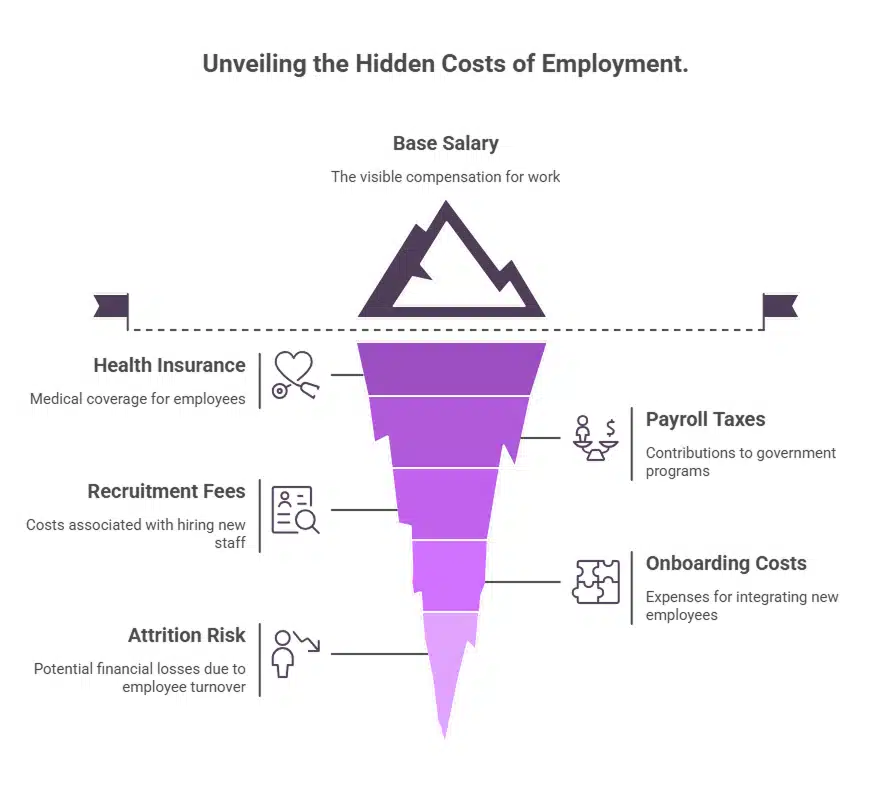
The True Cost of a US Tech Hire Is Not the Salary
The multiplier most budgets miss
Base salary is just the starting point.
The U.S. Small Business Administration and SHRM confirm that the true annual cost of a US employee runs 1.25x to 1.4x their base salary, once payroll taxes, paid leave, equipment, software licenses, and HR overhead are factored in.
On a $120,000 base, that adds up to $48,000 in overhead before the hire completes their first sprint cycle.
Healthcare alone is a budget line
Mercer’s 2026 projection puts average employer health insurance at $17,496 per employee per year. For a five-person analytics team, that is $87,480 annually, purely in healthcare. That number is rising every year. (CompTIA 2025)
Median tech worker wage is 127% higher than the US national median wage. (Mercer 2026)
Employers pay an average of $17,496 per year in health insurance for each tech hire
If a hire leaves in year one, which Gartner data suggests is likely, given that only 29% of IT workers intend to stay long-term, you absorb every dollar again. Plus the cost to replace them.
Vacancy Is Not Neutral. It Costs $500 Every Day.
The daily drain
Deloitte’s Recruitment Efficiency Report puts the cost of an unfilled technical role at $500 per day in lost productivity, delayed projects, and increased load on existing team members.
SHRM benchmarks the average time-to-fill a technical position at 42 to 44 days.
At $500 a day over 44 days, that is more than $22,000 lost before a new hire clears onboarding.
Carrying three open roles through a standard 44-day cycle costs over $66,000 in vacancy losses alone, before a single recruiter invoice arrives.
It is getting worse, not better
One source tracking the 2026 hiring environment puts the average time to fill a senior engineering role at four to six months through traditional channels. Compensation has risen 12% since 2024, with median US developer salaries now above $130,000.
Top candidates are fielding multiple offers simultaneously. The window between posting a role and losing your preferred candidate to a faster-moving company has never been tighter.
Recruitment Overhead Adds Another $8,000 Before Day One
Most hiring budgets forget the cost of finding the candidate in the first place.
- SHRM’s 2025 Benchmarking Report puts the national average cost-per-hire at $5,475 for non-executive roles
- ScoutLogic’s 2025 analysis puts technical and engineering roles at $6,200 to $8,000, driven by candidate scarcity
- For five analytics hires in a fiscal year, that is more than $35,000 in recruitment overhead alone
A single mis-hire restarts the entire clock. Every dollar spent, spent again.
Global IT Outsourcing Has Hit $660 Billion for a Reason
US companies have already voted with their budgets.
Global IT outsourcing spending reached $660 billion in 2025, up from $520 billion in 2023. Nearshore and offshore outsourcing grew 21% year-over-year in 2025 alone. Deloitte’s 2024 global survey found that 80% of executives planned to maintain or increase third-party talent investment, a trend that has held firm into 2026.
“The organizations that succeed are those that build inclusive systems and embrace the full potential of a global workforce.” - X-Team Global Talent Report, January 2026
The infrastructure has caught up with the ambition. Shared dashboards, real-time collaboration tools, and async-friendly workflows mean that a dedicated FTE in Ahmedabad can operate as a genuine part of your US team, not a distant vendor.
The savings are real and well-documented. Offshore talent hubs like India consistently deliver 40 to 70% cost savings compared to equivalent US hiring.
What a Dedicated FTE Model Actually Means in Practice
Not outsourcing. An extension of your team.
One named professional. Assigned exclusively to you. Not rotated across accounts or pulled off mid-sprint.
They attend your standups, used your tools and report to your leads.
- Productive in 7 to 14 days, compared to the 42 to 180-day window of US hiring in 2026
- Zero recruitment cost and zero payroll tax complexity
- Pre-vetted expertise in your specific stack, with no skill discovery on your budget
- Flat monthly billing with no surprise benefit surcharges
- A managed replacement path if performance falls short
The accountability of an in-house hire. At a cost structure, mid-market brands can actually sustain.
Why Tatvic, and Why Now
Most FTE providers offer generalist talent. Tatvic is purpose-built for data and analytics teams.
Over a decade of client engagements has produced deep expertise across GA4, BigQuery, Looker Studio, and marketing data infrastructure. Every professional deployed through Tatvic’s FTE model has worked on real client projects, not internal training exercises.
Who benefits most in 2026
- E-commerce and DTC brands scaling GA4 or CDP implementations
- Mid-market companies that need senior analytics capacity without US salary overhead
- Agencies expanding delivery without growing domestic headcount
- Growth-stage companies where time-to-insight is a direct competitive advantage
The 12-Month Cost Comparison
| Cost Category | US Full-Time Hire (2026) |
| Base Cost | $110,000 to $140,000 |
| Health Insurance | $17,496 (Mercer 2026) |
| Payroll Taxes and Benefits (1.4x) | $44,000 to $56,000 extra |
| Recruitment Cost | $6,200 to $8,000 (SHRM 2025) |
| Vacancy Loss | $22,000 over a 44-day cycle |
| Attrition Risk | High. Full cost restarts on exit. |
Sources: SHRM 2025, Mercer 2026, Deloitte 2024, U.S. SBA, IDC, Robert Half 2025, Bureau of Labor Statistics
Over 12 months, a Tatvic FTE typically delivers 40% to 60% total savings versus the fully loaded cost of an equivalent US hire. That gap widens with every recruitment cycle avoided, and every attrition event eliminated.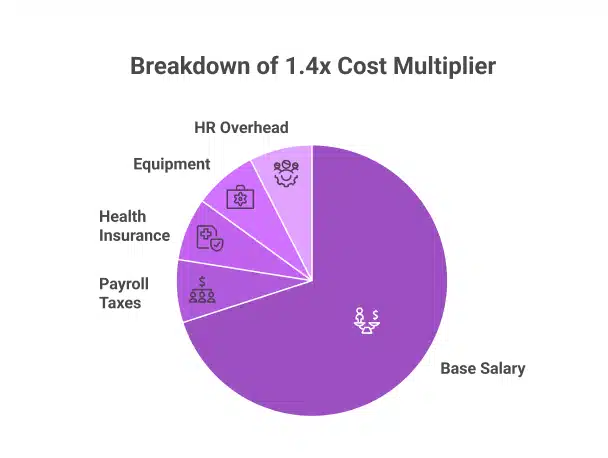
Stop Absorbing Costs That Are Optional
The BLS projects 1.2 million unfilled tech roles in the US this year. IDC puts the financial damage at $5.5 trillion globally. Robert Half confirms 87% of tech leaders are already feeling it.
This is not a blip. It is a structural shift in where technical talent lives and what it costs to access it.
A dedicated FTE model gives you pre-trained, specialized professionals who work as part of your team. Transparent pricing. Up and running in two weeks. Savings from month one.
Tatvic’s model is built specifically for analytics, data engineering, and marketing technology teams in the US market.
See what a dedicated analytics FTE would cost your team in 2026.
Share your role requirements, and we will walk you through who would be assigned, how onboarding works, and what the monthly engagement looks like. No vague proposals. No sales pressure.